Buying a Beaver Creek vacation condo can look simple at first. You find a great view, easy ski access, and a layout you love. But in Beaver Creek, the smartest question is often not "Which unit is nicest?" It is "How does this property actually work day to day?" If you are thinking about a second home here, understanding the rules behind ownership can help you avoid surprises and buy with confidence. Let’s dive in.
Start With the Ownership Model
Not every Beaver Creek condo offers the same ownership experience. Resort lodging in Beaver Creek Village, Bachelor Gulch Village, and Arrowhead Village can vary widely, and listings may fall into ski-in/ski-out, shuttle-route, walk-to-lift, or drive-to-lift categories. That means two condos with similar finishes can come with very different lifestyles and responsibilities.
A key first step is figuring out whether a property is a traditional residential condo, a condo-hotel, or a mixed-use hotel residence. That difference affects how often you can use the property, how rentals are handled, and how much control you actually have. In some resort-managed buildings, the setup can feel much more like hotel ownership than standard residential ownership.
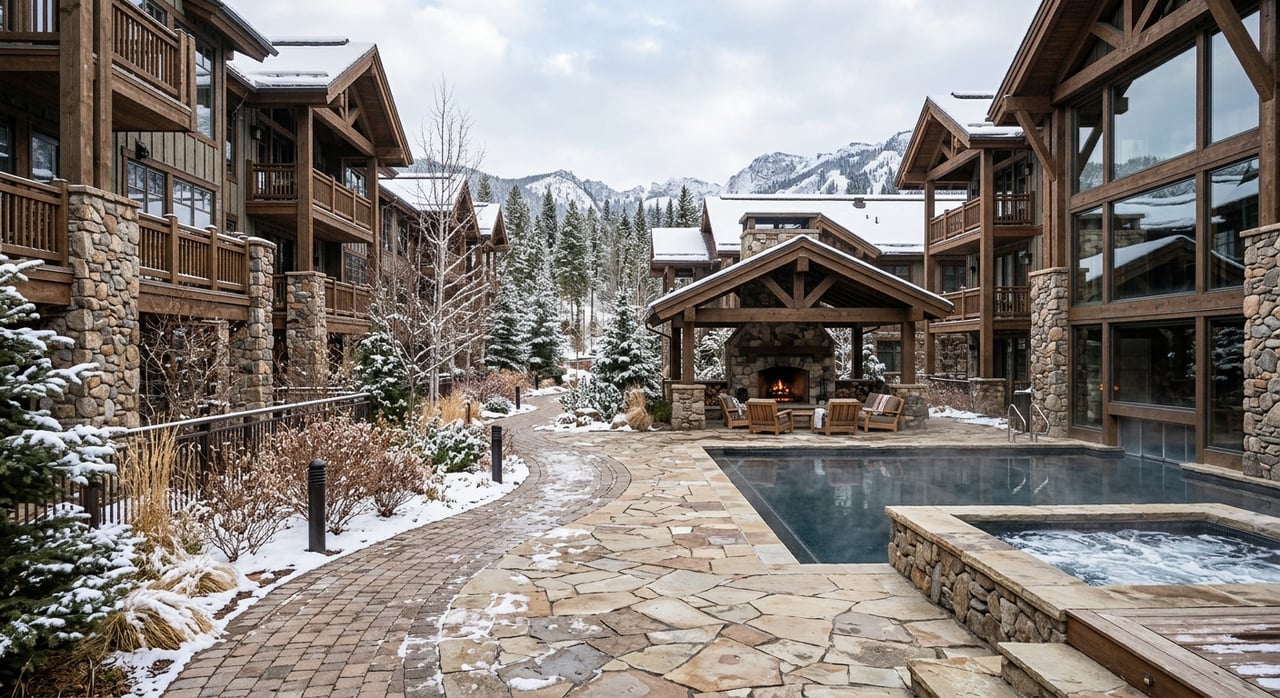
Beaver Creek Lodge is a good example of that hotel-style model. Its HOA describes the property as an all-suite boutique hotel and residences at the base of Beaver Creek Mountain, with ski lift access, ski rentals, ski lockers, a restaurant, pool and spa services, meeting space, ski storage and valet, a fitness center, a business center, kitchens, laundry facilities, and concierge service.
Those amenities can be a major benefit, especially if you want convenience and guest services built in. At the same time, some units in this type of building are not standard residential condos. Beaver Creek Lodge deed restriction materials state that hotel units must operate as a public hotel facility, and owner use is limited to 30 days per year in each of two seasonal blocks.
Before you buy, ask clear questions like:
- Is this a true residential condo or a hotel-style ownership model?
- Is personal use unlimited, seasonal, or capped?
- Are there owner-use blackout dates or reservation deadlines?
- How far in advance do owners need to reserve their own stays?
In at least one Beaver Creek Lodge example, winter reservations should be made by August 31. That kind of deadline may be fine for some buyers and frustrating for others. The right fit depends on whether you want flexibility or a more structured ownership model.
Review Rental Rules Carefully
If you plan to rent your condo, rental rules deserve close attention. In Beaver Creek, Bachelor Gulch, and Arrowhead, short-term rentals are already commonly managed through HOA-run programs. Eagle County noted in a January 2025 decision document that adding another registration layer in these areas could be duplicative, which reflects how established resort-managed rental systems already are.
That matters because the key question is not just whether rentals are allowed. You also need to know who controls the calendar, who sets the rates, and how much say you have in guest use. In some buildings, the convenience of full-service management comes with less owner control.
Beaver Creek Lodge again offers a useful example. Its policies show a hotel-like system with rotation-based booking, revenue optimization, seasonal pricing, and owner-use constraints. That setup can work well if you want a hands-off approach, but it may not fit if you want to block off dates freely or manage guests your own way.
If third-party rentals are allowed, the rules may still be strict. Beaver Creek Lodge’s third-party rental policy requires written acknowledgment, advance guest notices, a service fee that was initially set at $50 per day, valet parking instead of self-parking for hotel units, a local agent who can respond within 60 minutes, daily housekeeping while the unit is rented, and front-desk guest check-in.
Those details shape your real ownership experience. A condo that allows short-term rentals on paper may still have enough operational rules to limit how independently you can use the property.
Before you move forward, ask:
- Is rental management mandatory or optional?
- Can you self-manage, or must you use the HOA or resort manager?
- Are Airbnb, Vrbo, or other third-party bookings allowed?
- Who handles pricing, occupancy allocation, and reservation priority?
- What guest-service rules apply if you rent the unit?
Understand Local Licensing and Compliance
Short-term rental compliance in unincorporated Eagle County is another important part of due diligence. The county’s 2025 draft short-term rental ordinance would require a license to advertise, offer, operate, rent, or lease a lodging unit for fewer than 30 days. It also states that the license would not override deed restrictions or private covenants.
That means even if county licensing is available, the building’s own rules still matter. HOA restrictions, management agreements, and deed limits can be more restrictive than the county framework. You want to understand both layers before you close.
The draft ordinance also says applications would need:
- Ownership information
- Insurance that extends to short-term rental use
- Proof of tax compliance
- Parking information
- Emergency-response details
This is one reason Beaver Creek condo purchases benefit from careful document review. A unit may seem ideal at first glance, but the actual rental setup can affect convenience, cost, and long-term usability.
Look Beyond the Purchase Price
In a resort market, ownership costs can go far beyond your mortgage and monthly dues. If you are buying a Beaver Creek vacation condo, ask for a full picture of ongoing expenses, not just the list price.
Eagle County’s 2024 budget book says the county lodging tax is 2 percent of the rental fee for a short-term stay in unincorporated Eagle County or the town of Gypsum. If you plan to rent your condo, you should know who is collecting and remitting applicable taxes and whether that process is handled by the manager, the HOA program, or another party.
Insurance also deserves a close look. Eagle County’s draft short-term rental ordinance says license applicants must show that liability and property insurance cover short-term rental use. Beaver Creek Lodge’s guest-services information also states that owners are responsible for damage to their units and should carry appropriate insurance.
Then there are the building-level costs. Depending on the property, you may need to budget for:
- HOA dues
- Management fees
- Rental program fees
- Housekeeping fees
- Parking fees
- Service fees
- Transfer fees
- Reserve contributions
- Capital project costs or special assessments
Historical HOA materials from Beaver Creek Lodge include references to special assessments and capital projects. That does not mean every building has the same cost structure, but it is a strong reminder to review budgets, reserve planning, and assessment history before you commit.
Compare Amenities and Access
Amenities can strongly affect both your enjoyment and your rental appeal. Beaver Creek’s lodging pages filter properties by features like pool, hot tub, dining, wifi, kitchen, and accessibility. In other words, you should not assume that every condo offers the same package just because it is in the same resort area.
Location inside the resort matters too. A true ski-in/ski-out condo may offer a very different experience from one that is walk-to-lift or shuttle-dependent. That difference can influence convenience, guest demand, and how you use the property yourself.
Transportation is a practical part of condo ownership in Beaver Creek. The resort states that Village Connect is a complimentary on-demand shuttle linking Beaver Creek, Bachelor Gulch, and Arrowhead from 7:00 AM to midnight daily. Parking-lot shuttles run from 5:30 AM to 1:00 AM, and resort garages and lots do not permit overnight parking.
Parking deserves special attention because it can be easy to overlook during a showing. A building may offer deeded parking, assigned parking, valet-only service, limited guest parking, or restrictions that affect owner and guest convenience. Eagle County’s draft short-term rental ordinance also treats a parking plan as part of licensing, which shows how central parking is to short-term rental use.
When comparing condos, ask:
- Is the property truly ski-in/ski-out, walk-to-lift, or shuttle-based?
- Is parking deeded, assigned, valet-only, or limited?
- Are overnight parking restrictions a concern?
- Which amenities are included with ownership?
- Which amenities are shared, seasonal, or fee-based?
Ask How Off-Site Support Works
Many vacation condo buyers do not live in Beaver Creek full time. If that is true for you, maintenance and guest support matter just as much as finishes and views.
Beaver Creek Resort’s property-management page notes seven-day-a-week staffing with property managers, maintenance professionals, cleaning teams, and contractor relationships. Managed inventory includes locations in Arrowhead, Beaver Creek Village, Bachelor Gulch, Beaver Creek Meadows, The Pines Lodge, The Osprey, and St. James Place.
The broader owner program also highlights marketing, reservation call centers, revenue management, guest services, inspections, billing and accounting tools, and a resort-network sales platform. That kind of support can be a real advantage if you want fewer logistics to handle yourself.
Still, support systems vary by building and management structure. Before you buy, find out how maintenance issues are handled when you are away, who responds to urgent problems, and whether services are included or billed separately.
The Big Decision: Convenience or Control
For many buyers, this is the question that matters most. In Beaver Creek, the real difference between condos is often not just location or décor. It is the balance between convenience and control.
A resort-managed condo can offer hotel-style amenities, rental support, guest services, and easier off-site ownership. A more traditional residential condo may offer more freedom with personal use and rentals, but it may also require more involvement from you.
Neither option is automatically better. The right choice depends on how you plan to use the property, how often you want to visit, whether rental income matters, and how much structure you are comfortable with.
If you ask the right questions early, you can narrow your search faster and focus on condos that truly fit your goals. In a market as nuanced as Beaver Creek, that kind of clarity can make all the difference.
If you are weighing condo options in Beaver Creek and want local guidance grounded in real experience, Laura Sellards can help you sort through ownership models, building rules, and the details that matter before you buy.
FAQs
What should you ask before buying a Beaver Creek vacation condo?
- Ask whether the property is a traditional condo, condo-hotel, or hotel residence, and review owner-use rules, rental policies, fees, parking, amenities, and management structure.
How do rental rules work for Beaver Creek vacation condos?
- Rental rules vary by building. Some properties use HOA or resort-managed rental programs with strict booking, guest-service, and owner-use requirements, while others may allow more flexibility.
Do Beaver Creek condo owners need to think about Eagle County short-term rental rules?
- Yes. In unincorporated Eagle County, the 2025 draft ordinance would require a license for rentals under 30 days and would also require insurance, parking, tax compliance, and emergency-response details.
Why does parking matter when buying a Beaver Creek condo?
- Parking can affect your daily use, guest convenience, and rental compliance. Some buildings may have valet-only service, assigned spaces, or overnight parking limits.
Are all Beaver Creek condos ski-in ski-out?
- No. Beaver Creek properties can be ski-in/ski-out, walk-to-lift, shuttle-route, or drive-to-lift, so it is important to confirm the access style for each specific condo.
What costs should you review beyond the condo purchase price in Beaver Creek?
- Review HOA dues, management fees, rental program charges, housekeeping, parking costs, insurance needs, taxes, reserve contributions, and any history of special assessments or capital projects.